

This interview was conducted for the Azerbaijan State News Agency on May 8, 2025, on the occasion of the State Visit of General Secretary To Lam to Azerbaijan in May 2025.
Q1: How do you assess the current state of economic relations between Vietnam and Azerbaijan?
In my opinion, the economic ties between Vietnam and Azerbaijan are evolving, offering both challenges and opportunities as the two countries seek to deepen their partnership. Trade between the two nations has seen ups and downs in recent years, with annual volumes typically reaching into the hundreds of millions of U.S. dollars. Vietnam mainly exports mobile phones, electronic components, and machinery to Azerbaijan, while crude oil remains the key
import from Azerbaijan.
Investment between the two nations remains modest. Azerbaijan has one registered project in Vietnam, valued at approximately USD 2.5 million, focusing on technical services and energy. Conversely, Vietnamese enterprises are exploring opportunities in Azerbaijan, especially in logistics, processed agricultural products, and renewable energy – sectors where Azerbaijan has expressed interest in expanding cooperation.
While current trade and investment levels between Vietnam and Azerbaijan are below their potential, recent diplomatic engagements and strategic agreements indicate a mutual commitment to strengthening economic ties. By leveraging complementary strengths and addressing existing challenges, both nations are poised to advance their economic partnership in the coming years.
Q2: In your opinion, what key economic topics were discussed during To Lam’s visit to Baku?
In my view, the Vietnamese Party General Secretary To Lam’s recent state visit to Baku reaffirmed the strong commitment of both Vietnam and Azerbaijan to expanding bilateral economic cooperation. Energy was a central focus, with discussions highlighting deeper collaboration through joint oil and gas projects. Both countries also stressed the importance of boosting trade by diversifying product categories, especially agricultural goods, and addressing trade imbalances.
Logistics cooperation featured prominently, including plans to leverage the Baku-Tbilisi-Kars railway and Alat Port to improve Vietnam’s connectivity with European markets. The establishment of direct flights between Baku and Vietnamese cities was also discussed as a means to promote tourism and people-to-people exchanges.
In addition, the two sides explored new areas of collaboration, such as renewable energy and the defense industry. To support these efforts, both governments agreed to revitalize the Vietnam–Azerbaijan Intergovernmental Commission and create new mechanisms like business forums. The visit marked a significant step toward strengthening multifaceted cooperation between the two nations.
Q3: What is the historical foundation of economic cooperation between the two countries?
Vietnam and Azerbaijan’s economic cooperation is deeply rooted in their shared history, particularly during the Soviet era.
From the 1950s to 1991, Azerbaijan trained many Vietnamese professionals, especially in the oil and gas sector, and helped Vietnam launch its early petroleum industry. Although formal diplomatic relations were only established in 1992, bilateral ties were informally active under Soviet frameworks.
After the USSR’s dissolution, political goodwill remained strong, but economic engagement was initially limited due to both countries’ internal reforms. The legacy of energy cooperation, however, continued to serve as a foundation for mutual respect.
In the 2010s, institutional mechanisms like the Vietnam–Azerbaijan Intergovernmental Commission were created to deepen collaboration. Strategic sectors such as energy, trade, and education have remained focal points. Overall, the relationship has evolved from historical solidarity into a modern partnership built on shared interests and trust.
4. What are the prospects for increasing trade turnover between Vietnam and Azerbaijan?
A major milestone in Vietnam–Azerbaijan relations was marked by the recent state visit of Vietnam’s Party General Secretary To Lam to Azerbaijan, during which both countries signed a Joint Declaration on a Strategic Partnership. This agreement aims to elevate bilateral ties and promote comprehensive cooperation across key sectors such as energy, trade, transportation, education, and culture.
Beyond their longstanding partnership in the energy sector, Vietnam and Azerbaijan see strong potential in expanding cooperation in agriculture, forestry, and fisheries. By opening their respective markets, both nations can boost bilateral trade and support joint efforts in research and the application of high technology in agriculture.
Azerbaijan’s strategic location – serving as a gateway between Asia and Europe – offers valuable opportunities for collaboration in logistics, seaports, railways, aviation, and renewable energy. Notably, the recent opening of an office in Hanoi by Azerbaijan’s Silkway Airlines, along with plans to launch direct cargo flights between Hanoi and Baku, underscores a shared commitment to strengthening connectivity and trade facilitation.
5. In which sectors do you see the greatest potential for mutual investments?
The most promising areas for mutual investment between Vietnam and Azerbaijan align with each country’s strategic needs and economic strengths. Energy remains a top priority, with potential joint ventures between PetroVietnam and SOCAR in oil and gas exploration, and opportunities in LNG infrastructure and renewable energy, as both countries transition to cleaner sources.
Logistics and transportation also hold great potential, leveraging Azerbaijan’s position along the Middle Corridor and Vietnam’s manufacturing capacity. Vietnamese investment in Azerbaijan’s Alat Port and joint logistics ventures can boost trade routes to Europe and Central Asia.
In agriculture and food processing, Vietnam’s export strength in rice, seafood, and tropical fruits complements Azerbaijan’s goals of food diversification and security. Investment opportunities include joint agribusiness ventures, especially in Halal food industry and food infrastructure development.
The construction sector is another area of synergy, with Vietnamese firms participating in Azerbaijan’s post-conflict reconstruction and Azerbaijan investing in Vietnam’s infrastructure.
Information and Communication Technology (ICT) is a growing sector, with collaboration possibilities in fintech, e-commerce, digital governance, and smart cities.
Lastly, tourism and cultural exchange offer untapped potential, with opportunities in tour services, direct flights, and wellness tourism.
Together, these sectors form a robust foundation for deepening Vietnam–Azerbaijan economic cooperation and mutual investment.
6. How interested is Vietnam in Azerbaijan’s energy sector, and are there any joint projects already underway?
Vietnam has demonstrated a strong and sustained interest in Azerbaijan’s energy sector, particularly in oil, gas, and increasingly, renewable energy. This collaboration is rooted in a historical partnership and has been reinforced through recent high-level engagements and formal agreements.
Historical Collaboration and Ongoing Projects
● Long-standing Partnerships: For over a decade, the State Oil Company of Azerbaijan Republic (SOCAR) has collaborated with major Vietnamese energy firms, including PetroVietnam and Vietsovpetro, focusing on upstream development, oil supply, and refining. Notable milestones include the 2015 strategic partnership agreement and the 2018 decision to create joint ventures.
● Refining and Petrochemical Cooperation: In 2019, an agreement was signed between SOCAR and Vietnam’s Binh Son Refining and Petrochemical Company, highlighting cooperation in the oil industry, which is based on a strong historical foundation.
Recent Developments and Future Prospects
● Strategic Partnership Agreement: On May 7, 2025, during a state visit, President Ilham Aliyev of Azerbaijan and General Secretary To Lam of Vietnam adopted a “Joint Statement on the Establishment of a Strategic Partnership,” underscoring the importance of energy cooperation.
● Memorandums of Understanding (MoUs): Several MoUs were exchanged to bolster energy collaboration:
○ Between SOCAR and PetroVietnam, focusing on enhancing cooperation in the energy sector.
○ Between SOCAR Trading Singapore PTE LTD and Binh Son Refining and Petrochemical JSC, aiming to expand joint activities in refining and
petrochemicals.
● Renewable Energy Initiatives: Azerbaijan has expressed readiness to invest in renewable energy sources in Vietnam, with President Aliyev highlighting the potential for collaboration in this sector. Vietnamese businesses are also exploring investment opportunities in Azerbaijan’s renewable energy sector, indicating a mutual interest in green energy development.
7. Is Vietnam considering participation in projects related to the Trans-Caspian transport corridor?
Vietnam is increasingly interested in the Trans-Caspian International Transport Route (TITR), or the Middle Corridor, as part of efforts to diversify trade routes and boost connectivity with Europe and Central Asia. While not yet involved in specific TITR projects, Vietnam’s diplomatic interactions – particularly with Kazakhstan and Azerbaijan – reflect its strategic consideration of the corridor. The TITR offers a multimodal transport link from Southeast Asia and China to Europe via Kazakhstan, the Caspian Sea, Azerbaijan, and Georgia. For Vietnam, using this corridor could reduce reliance on maritime routes, mitigate geopolitical risks, and strengthen ties with Central Asian and Caucasus countries.
Future collaboration may include infrastructure investments, trade facilitation agreements, and public-private partnerships to develop logistics and transport networks. Though still in its early stages, Vietnam’s engagement with the Middle Corridor aligns with its long-term goals of trade diversification and deeper economic integration across Eurasia. Continued dialogue and investment will be critical to advancing this strategy.
8. Can Azerbaijan become a “gateway” for Vietnam to the Caucasus and Central Asian countries?
Azerbaijan holds strong potential to become a strategic gateway for Vietnam’s access to the Caucasus and Central Asian markets. Its geostrategic location at the crossroads of Europe, Asia, and the Middle East – combined with modern infrastructure like the Alat Free Economic Zone, Baku Sea Port, and BTK railway – connects it efficiently to Central Asia, China, Turkey, and Europe. Azerbaijan’s active participation in regional initiatives such as the Organization of
Turkic States and the TITR Association enhances its role as a transit hub.
Recent diplomatic engagements, including Vietnamese Party General Secretary To Lam’s 2025 visit to Baku, reaffirm both nations’ commitment to deeper trade and transport cooperation. Vietnam seeks to diversify trade routes beyond maritime chokepoints, and Azerbaijan offers a viable land-based alternative. Business synergies in logistics, energy, and infrastructure further strengthen the partnership. To realize this potential, both countries must enhance infrastructure, streamline customs, and foster public-private investment frameworks.
9. Are there any plans for cooperation in the food industry or agricultural exports?
In my opinion, Azerbaijan and Vietnam possess significant potential for collaboration in the halal food industry by capitalizing on their complementary strengths.
Azerbaijan, with its expanding capacity in halal-certified meat production, can provide high-quality products to Vietnam, catering to Muslim tourists and supporting re-exports to key halal markets such as Malaysia and Indonesia. Meanwhile, Vietnam is actively developing its halal sector to tap into the global halal economy, which is projected to surpass USD 3 trillion by 2028.
Potential areas of partnership include co-branding, the establishment of joint halal processing facilities, and the exchange of raw materials like meat, honey, and tea. To facilitate trade, both countries should work toward a bilateral halal certification framework to align standards and build consumer trust.
Additionally, they can boost visibility through joint participation in international halal trade fairs and cultural initiatives such as food festivals and tourism programs. This strategic cooperation can enhance their halal export capacity and deepen economic and cultural ties across the Muslim world.
Sources:
In Russian language:
In Azerbaijani language:
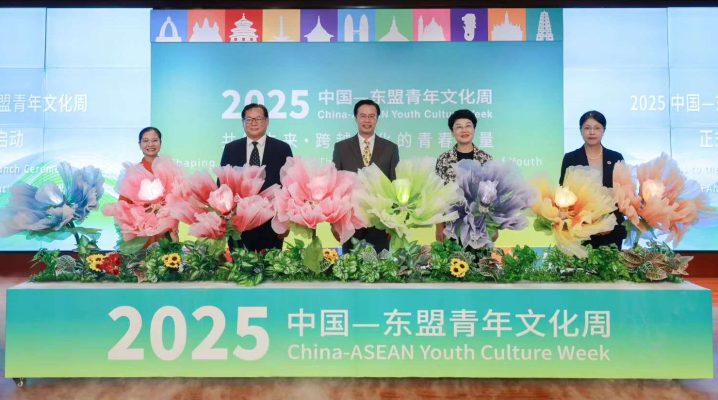
- Asking the Way of Youth: China–ASEAN Youth and the Journey of Building Trust
- Doctoral Dissertation Proposal at the University of International Business and Economics (UIBE), Beijing, China (2023–2027)
- Dialogue on the Future of ASEAN–China Relations: The Role of Youth in Building Trust and Cooperation
- An Encounter Beyond Expectations: When Life, Ecology, Art, and Philosophy Converge
- People-to-People Exchanges: Linh Tran’s Perspective on ASEAN–China Cooperation
Bài viết cùng chủ đề:

Why I Became a Teacher?

BAMBOO and I

Asking the Way of Youth: China–ASEAN Youth and the Journey of Building Trust

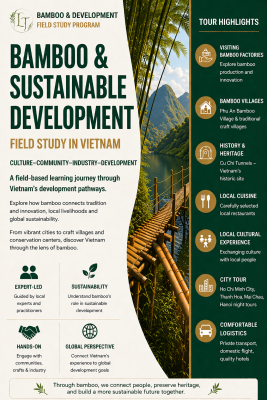
Vietnam Bamboo and Sustainable Development Field Study Program

Dialogue on the Future of ASEAN–China Relations: The Role of Youth in Building Trust and Cooperation

People-to-People Exchanges: Linh Tran’s Perspective on ASEAN–China Cooperation

An Encounter Beyond Expectations: When Life, Ecology, Art, and Philosophy Converge